When people think about wedding photography, their minds often drift immediately to poses, outfits, or scenic backdrops. However, the foundational element that truly transforms a simple snapshot into a breathtaking work of art is lighting. In photography, the word itself literally means "drawing with light," and mastering it separates ordinary pictures from extraordinary visual storytelling.
Understanding how light behaves can help you plan your event timelines, choose venues wisely, and appreciate the technical skill required to capture your milestone moments. Here is a breakdown of why lighting dictates the success of wedding photography:
1. The Emotional Impact of Natural Light
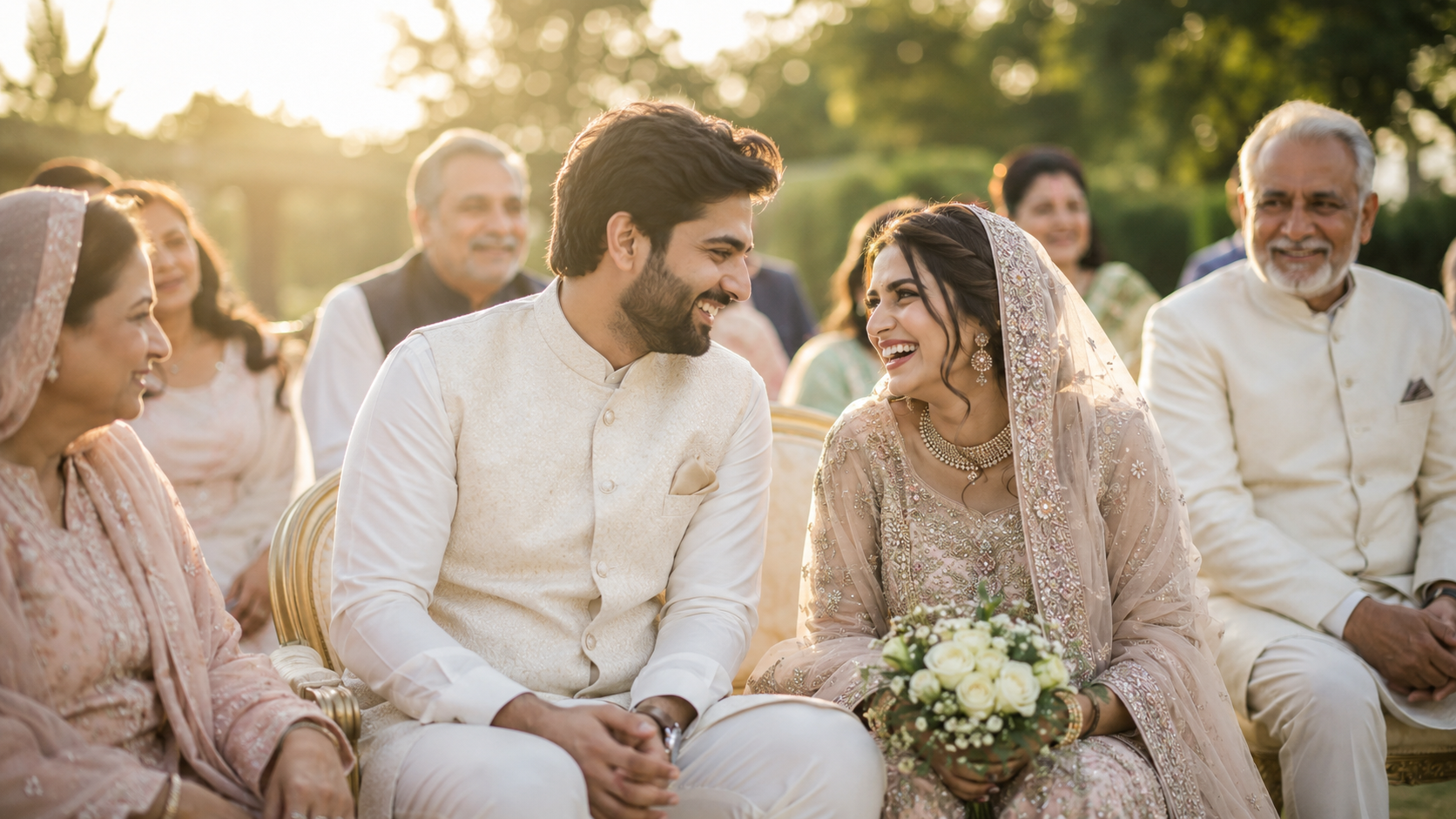
Natural light carries a unique organic warmth that artificial fixtures struggle to replicate.
- The Golden Hour Advantage: The hour just after sunrise or right before sunset provides soft, directional light that minimizes harsh shadows and gives skin tones a natural, radiant glow.
- Diffusion and Cloud Cover: Overcast skies act like a giant softbox, diffusing harsh sun rays evenly across subjects. This creates an even, flattering exposure ideal for outdoor portraits and candid moments.
2. Overcoming Low-Light Challenges Indoors
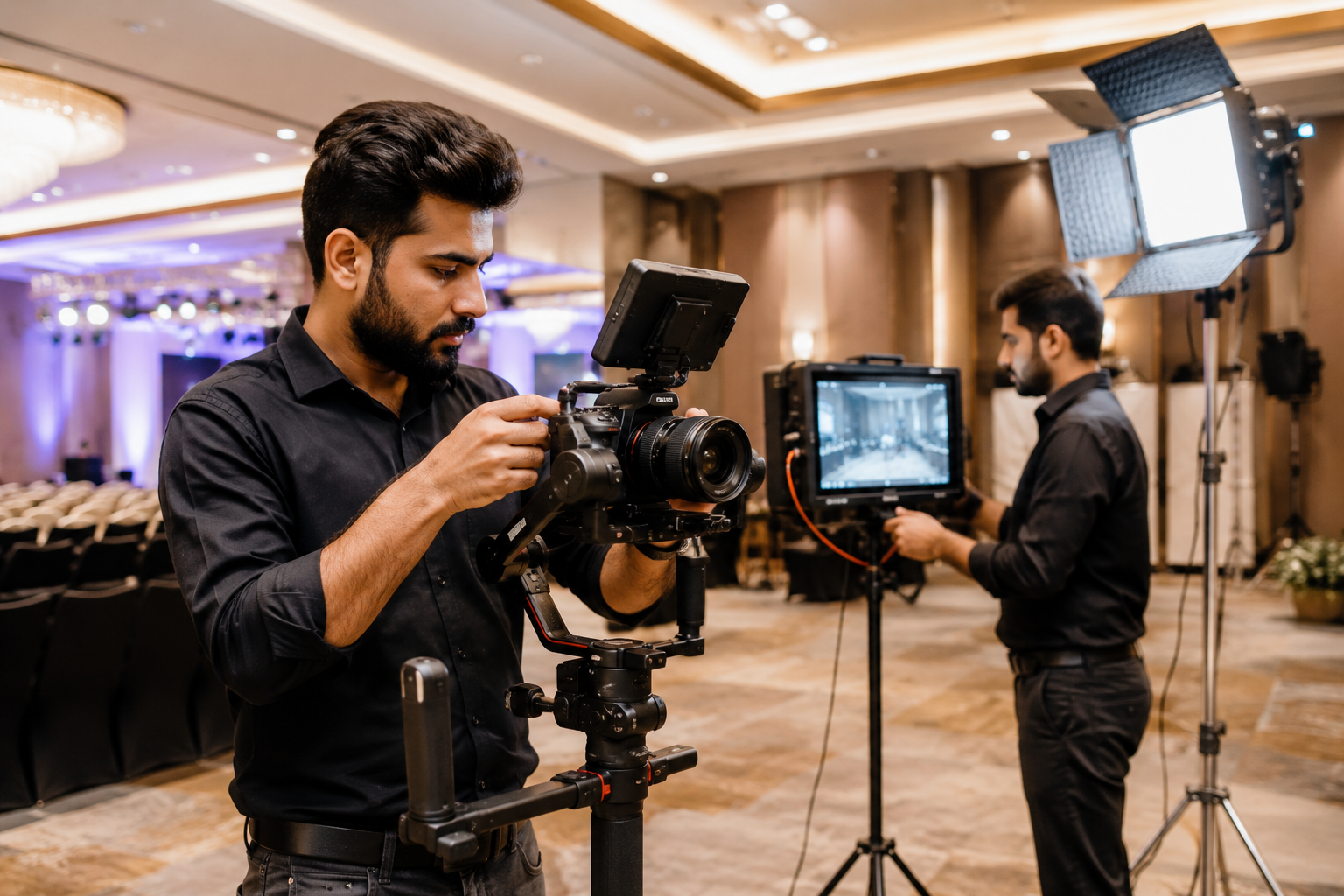
Pakistani weddings frequently transition from daytime functions to evening celebrations held inside banquet halls, marquees, or heritage indoor spaces. These environments present unique technical hurdles:
- Managing Ambient Color Casts: Heavy decorative lighting, neon stage setups, and colored LED washes can cast unnatural hues onto subjects' faces. Professional photographers use precise white balance calibration and off-camera flash setups to neutralize these color casts.
- Balancing Exposure: Capturing details in a brightly lit stage while retaining visibility in a darker dining area requires advanced camera sensors and dynamic range control.
3. Creating Depth and Dimension
Lighting is not just about making a scene bright; it is about creating contrast, depth, and separation between the subject and the background. Directional lighting helps sculpt facial features, adds a distinct sparkle to the eyes, and gives flat environments a three-dimensional cinematic feel.
Conclusion
Photography is ultimately the permanent preservation of light across time. Whether you are organizing a daytime garden event or a grand evening reception, understanding the role of lighting empowers you to collaborate more effectively with your media team and ensures your treasured memories are captured with absolute clarity.